





I’ve tested a lot of acrylic paint pens over time, and one thing became clear pretty quickly, they don’t all behave the same once you actually start using them. On paper, many of them look similar, similar tips, similar claims, similar promises. In real projects, though, the differences show up fast, especially once you move across surfaces, layer colors, or try to correct a mistake.
This guide isn’t based on specs or manufacturer descriptions. It’s built from hands-on use, switching between pens on the same surfaces, pushing some of them past what they’re comfortable with, and seeing which ones hold up and which ones don’t. Some performed exactly as expected, others were frustrating in ways you wouldn’t notice from a product page alone.
I didn’t test these pens to crown as many “winners” as possible. The goal was to understand where each one actually makes sense to use, and where it doesn’t. A few stand out as tools I’d confidently reach for again. Others are fine within limits, but not beyond them. That distinction matters far more than a generic rating.
If you’re looking for a quick list of everything that claims to be the best, this won’t read like that. What follows is a practical breakdown of how these acrylic paint pens behaved in real use, and which ones earned their place through performance rather than hype.
- Top Picks
- What to Look for in Acrylic Paint Pens
- How I Tested These Acrylic Paint Pens
- Comparing Popular Brands: A Deep Dive into Top Acrylic Paint Pen Sets
- Water-Based vs. Oil-Based Acrylic Paint Pens: Which is Right for You?
- Exploring Eco-Friendly and Non-Toxic Options for Acrylic Paint Pens
- Conclusion
- FAQs
What to Look for in Acrylic Paint Pens
Choosing the best acrylic paint pens isn’t just about how many colors come in a set. Performance varies significantly depending on ink formulation, tip design, and how the markers interact with different surfaces. These are the factors that actually matter when selecting acrylic paint pens that deliver consistent, long-lasting results.
Opacity and Coverage
High-quality acrylic paint pens should produce solid, opaque lines without requiring multiple passes. Well-pigmented ink ensures that colors show up clearly on both light and dark surfaces, including black paper, wood, and painted backgrounds. Poor opacity is one of the most common issues with lower-quality paint markers.
Tip Type and Control
Acrylic paint pens are available with different nib styles, each suited to specific applications:
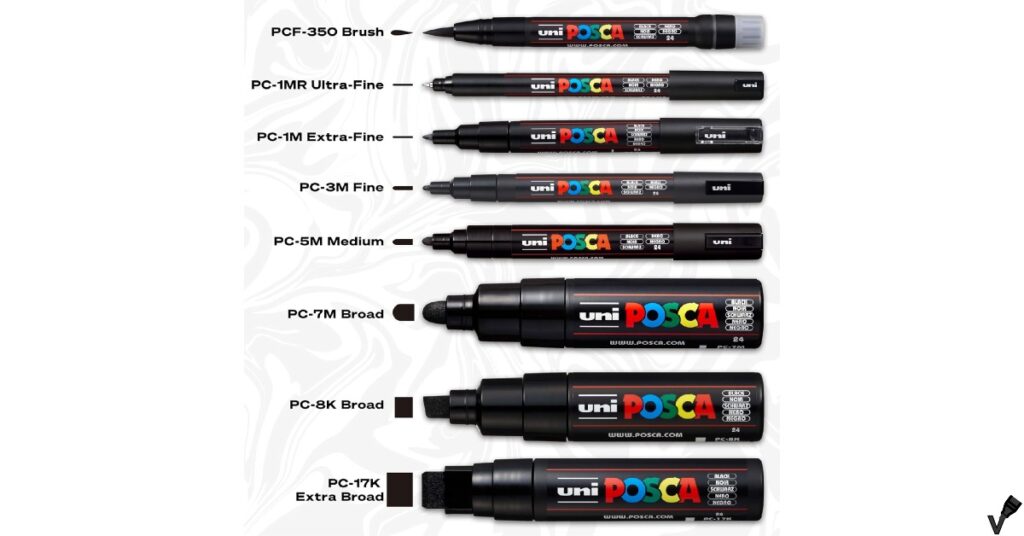
- Bullet tips offer consistent line width and are ideal for outlines, lettering, and detailed work.
- Fine tips provide greater precision for illustration and intricate designs.
- Brush tips allow for line variation and are preferred for calligraphy, blending, and expressive strokes.
Choosing the right tip has a direct impact on control, especially for detailed or professional work.
Ink Flow and Consistency
Even ink flow is essential. High-quality acrylic markers deliver smooth, controlled ink release without blotting, skipping, or flooding the surface. Inconsistent flow often leads to uneven coverage and can ruin fine details, particularly on non-porous surfaces like glass or metal.
Surface Compatibility
Not all acrylic paint pens perform equally across surfaces. Some markers are optimized for porous materials like paper, canvas, and wood, while others adhere better to non-porous surfaces such as glass, plastic, ceramic, and metal. If you plan to use acrylic paint pens for rock painting, signage, or mixed-media projects, surface compatibility becomes especially important.
Water Resistance and Durability
Once fully cured, most acrylic paint pens are water-resistant, but durability varies by brand. For outdoor projects or frequently handled items, look for markers known for strong adhesion and fade resistance. Some artists also apply a clear sealant to improve longevity on exposed surfaces.
Lightfastness and Fade Resistance
Lightfastness refers to how well colors resist fading over time when exposed to light. While not all manufacturers publish formal lightfast ratings, higher-quality acrylic paint pens tend to maintain color vibrancy longer, especially on canvas and display pieces. This factor is particularly relevant for professional artwork and long-term projects.
Refillable and Eco-Conscious Options
A growing number of artists prefer refillable acrylic paint pens or brands that offer replaceable nibs. These options reduce waste and lower long-term costs. While refillable systems are still less common than disposable sets, they are worth considering for frequent use.
How I Tested These Acrylic Paint Pens
I used these pens across paper, unfinished wood, sealed surfaces like glass and ceramic, and mixed-media projects where layering and corrections matter. What I paid the most attention to wasn’t just color or tip size, but paint flow control, opacity consistency between colors, drying behavior, and how forgiving the pen was when I went back over an area.
Some pens feel fine in isolation and fall apart once you compare them directly. That contrast is where the real differences showed up.
Comparing Popular Brands: A Deep Dive into Top Acrylic Paint Pen Sets
When it comes to the best acrylic paint pens, there are several standout brands that offer a combination of quality, durability, and variety. Let’s take a closer look at some of the best brands mentioned in the research data, each with its unique features and appeal.
The Benchmark – Molotow One4All Acrylic Paint Markers
The pen I compare everything else against
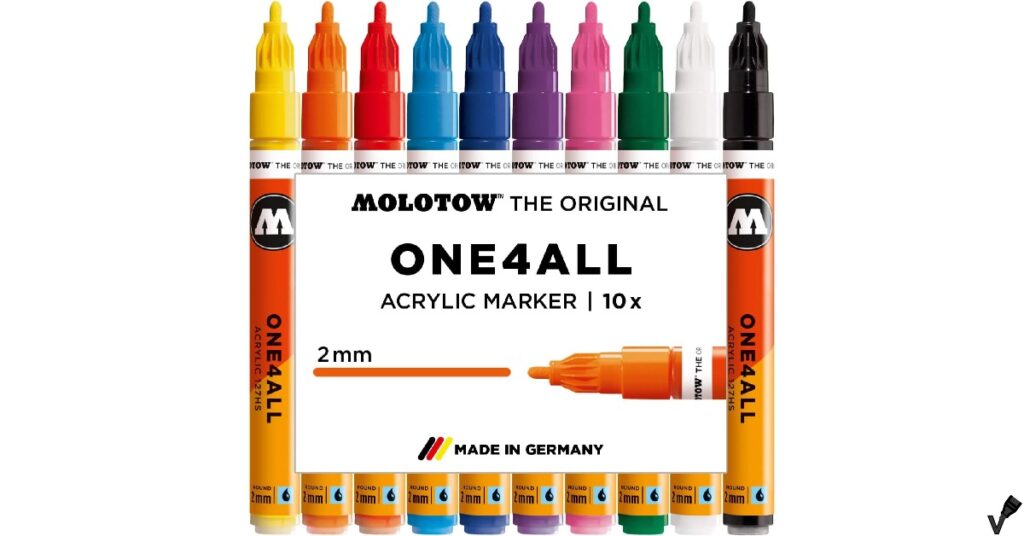
Molotow One4All markers sit in a completely different category from most acrylic paint pens. After using them across multiple surfaces, they consistently stand out for one reason, control.
The paint flow is dense without being messy. On paper, canvas, wood, plastic, and even glass, the coverage is immediate and even, with far less need for layering compared to lower-pigment markers. Lines stay crisp, and overlaps don’t disturb underlying layers once the paint sets, which is critical for detailed or multi-pass work.
One thing that separates Molotow from cheaper options is predictability. Color saturation is consistent across the range, and the pens respond well whether you’re sketching lightly or pressing harder for bold strokes. They also handle refills and nib changes well, which matters if you’re using them regularly rather than occasionally.
They’re not perfect. The higher paint density means mistakes are less forgiving, and they’re overkill for simple crafts. But if precision, durability, and professional results matter, these are the pens I reach for first and the ones I trust most.
If I had to keep only one acrylic paint marker from this list, this would be it.
Would I recommend these markers? Absolutely. They’ve brought immense joy to our drawing sessions and have proven to be both reliable and enjoyable to use. If you’re in the market for paint markers that offer quality and versatility, the Molotow One4All Acrylic Paint Markers are well worth considering. You can read the full details and the full review here!
Pros
- Vibrant Colors and Versatility
- Easy to Use with Kids
- Refillable and Sustainable
- Fast-Drying and Non-Greasy
- Positive Feedback from Others
Cons
- Tip Durability on Rough Surfaces
- Thickness of Line
- Absorption on Fabric
- Solubility Issues
Posca Paint Markers – Excellent Control, Surface-Dependent
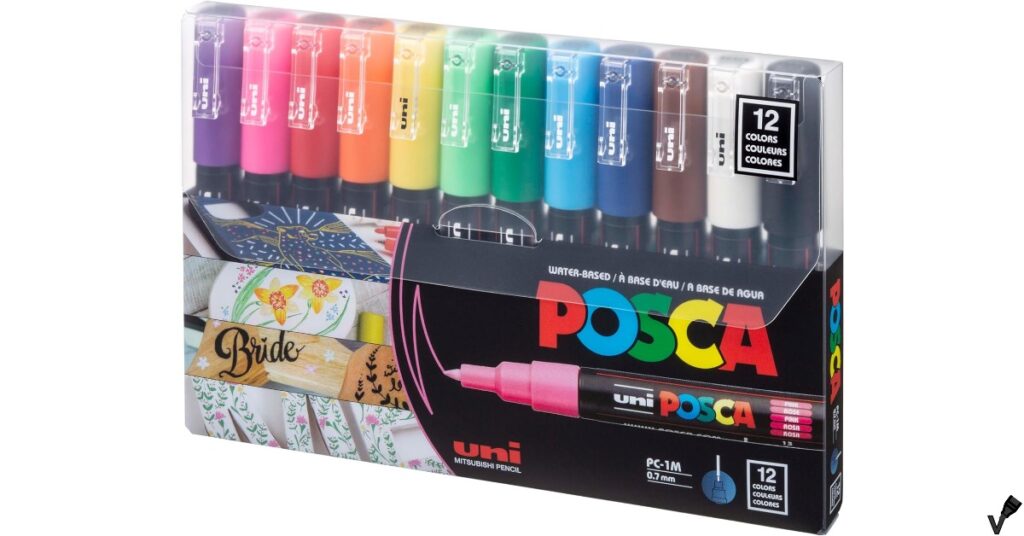
Posca paint markers are widely regarded as one of the most reliable acrylic paint pens available today. They are known for their highly pigmented, opaque ink and consistent flow, making them a favorite among professional artists, illustrators, and mixed-media creators.
Posca markers perform especially well on a wide range of surfaces, including paper, canvas, wood, glass, metal, and plastic. Their water-based acrylic ink dries quickly and produces clean, vibrant lines without excessive bleeding or streaking. On glossy ceramic, I had to redo fine lines more than once with Posca, the paint looked solid at first, but thin strokes shifted slightly once I went back over them.
More details and full review here!
Best for:
Professional artwork, mixed media, illustration, detailed projects
Pros
- Impressive Color Diversity
- Versatile Dual Tips
- Vibrant and Rich Color Saturation
- Thoughtful Inclusion of a Colorless Blender
- Affordability and Value for Money
Cons
- Ink Bleeding on Standard Paper
- Inconsistent Labeling
- Prone to Drying
- Limited Blending Capabilities
Why it stands out:
Posca markers consistently deliver predictable results, which is why they are often used in professional settings and recommended by experienced artists.
Grabie Acrylic Paint Pens – Reliable, With Clear Boundaries
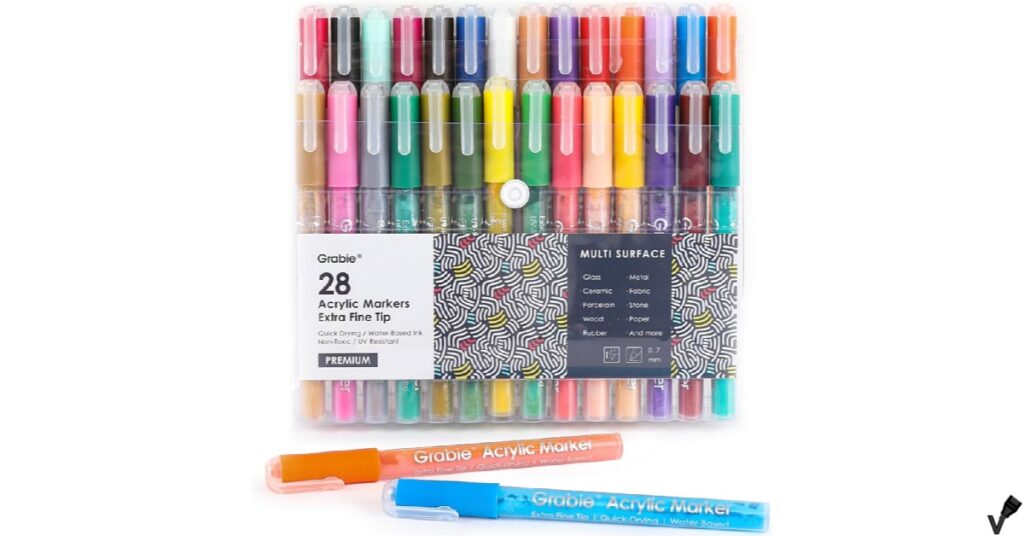
Grabie paint pens are often recommended as a safe all-around option, and after using them across different projects, I understand why. They’re easy to control, the paint flow is predictable, and they feel approachable straight out of the box. That said, they’re not as universally reliable as their reputation suggests.
On porous surfaces like paper, wood, and untreated canvas, Grabie pens behave exactly as expected. The paint lays down evenly, the coverage builds quickly, and there’s very little splatter or flooding, even when pressing harder than usual. This makes them a solid choice for lettering, outlining, and slower, more deliberate work. When I switched from paper to sealed glass, I had to slow down noticeably with Grabie, overlapping strokes would lift the previous layer if I didn’t let it fully set first.
Where Grabie starts to show its limits is on smoother, non-porous surfaces. On glass and glazed ceramic, the paint takes noticeably longer to settle, and overlapping strokes can disturb the layer underneath if you’re not patient with drying time. Compared to more pigment-heavy pens, the color can also look slightly flatter once fully dry.
Another thing worth mentioning is consistency across colors. Lighter shades perform well, but some darker colors required extra passes to achieve full opacity. It’s not a deal-breaker, but it does affect workflow if you’re aiming for bold, single-stroke coverage.
Would I use Grabie again? Yes, for controlled projects where precision matters more than punch. Would I reach for them for rock painting or glossy surfaces? Probably not. They’re dependable, beginner-friendly pens, but they’re not the most forgiving option when surface conditions get tricky.
Best for: paper, wood, canvas, detailed line work.
Less ideal for: glass, ceramics, and high-gloss surfaces.
More details and full review here!
Pros
- Great Color Vibrancy
- Smooth Ink Flow
- Blendable for Gradients
- Durable on Various Surfaces
- No Bleeding
Cons
- Limited Color Variety in Some Shades
- Fragile Tips
- Inconsistent Labeling on Markers
- Over-Saturation of Paint
Arrtx Acrylic Paint Pens – Fun and Vibrant
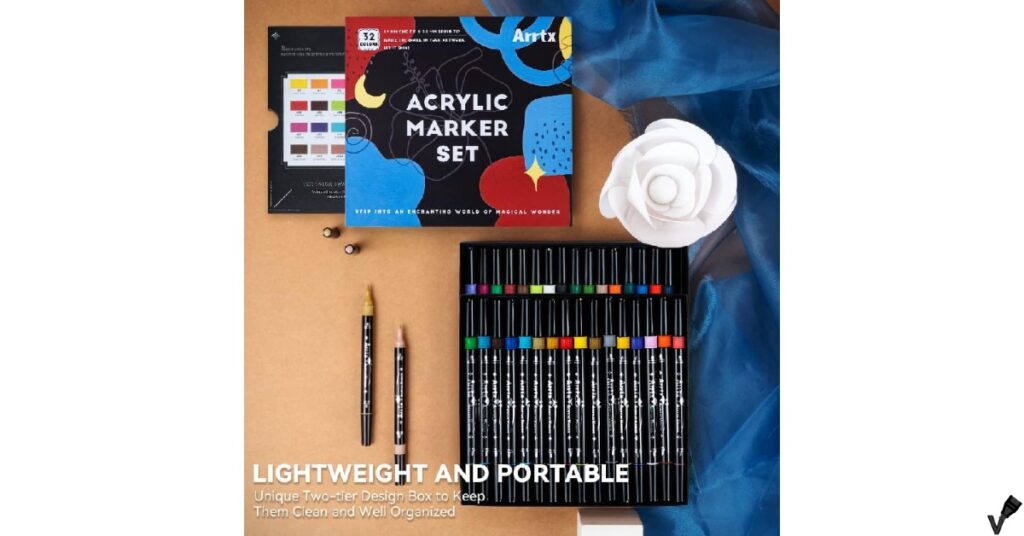
The Arrtx Acrylic Paint Pens have quickly become a go-to in my art supplies stash. Between the vibrant colors, the dual tip design, and the smooth application, they’re a versatile set that’s fun to use, whether I’m doodling in a sketchbook or tackling a bigger project with the kids. While testing Arrtx side by side with other pens, I noticed pressure made a bigger difference than expected, lighter strokes stayed clean, but heavier pressure caused the paint to pool at the nib.
Sure, there are some minor drawbacks, like the occasional dry marker or the need for multiple layers on certain surfaces, but overall, they’re a solid choice for both beginners and seasoned artists alike.
In my opinion, if you’re looking for a fun, easy-to-use set of Acrylic Paint Markers that can handle a range of projects, these are worth giving a try.
More details and full review here!
Pros
- Vibrant and Varied Color Range
- Convenient Dual Tip Design (Brush and Fine Tips)
- Smooth and Even Application
- Kid-Friendly, Safe, and Non-Toxic
- Quick Drying and Doesn’t Bleed Through Paper
Cons
- Inconsistent Opacity in Certain Colors (e.g., White)
- No Paint Mixing Mechanism in Barrel
- Occasional Dry-Out Issues in Some Markers
- Limited Coverage on Non-Paper Surfaces (Multiple Layers Needed)
- Not Fully Waterproof (Paint Reactivates with Water)
Nicety Acrylic Paint Markers – Fine for Learning, Not for Precision
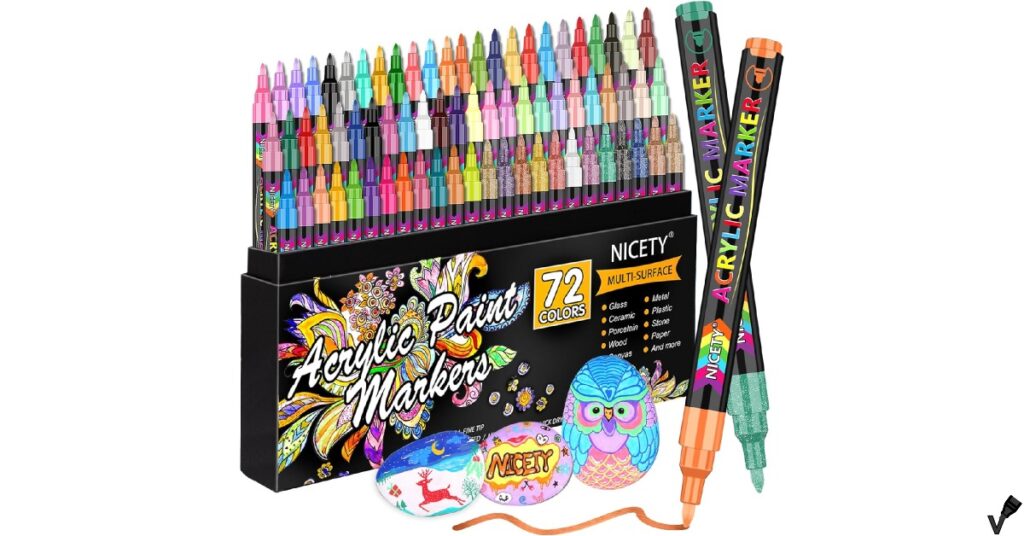
Nicety acrylic paint markers are best understood as a value-focused option rather than a true all-purpose tool. They’re easy to get started with, and for casual projects, they do the job without much setup or learning curve.
On absorbent surfaces like paper and unfinished wood, Nicety markers apply smoothly and give decent coverage, especially for basic coloring or simple designs. The paint flow is forgiving enough for beginners, and clogging wasn’t a frequent issue during light use.
That said, consistency is where Nicety shows its limits. Opacity varies noticeably between colors, and darker shades often need multiple passes to reach a solid finish. On smoother surfaces, especially glass or sealed ceramics, the paint can feel thin and less predictable, making clean edges harder to maintain.
These aren’t markers I’d rely on for detailed work or projects where durability matters. They’re better suited for practice, casual crafts, or situations where cost matters more than performance.
Best for: beginners, paper crafts, light wood projects.
Not ideal for: fine detail, glossy surfaces, long-term durability.
We made a detailed review that you can read here!
Pros
- Variety of Colors
- Ease of Use
- Quality of Pigment
- Blending and Layering
Cons
- Tip Durability
- Color Identification
- Inconsistencies in Quality
Water-Based vs. Oil-Based Acrylic Paint Pens: Which is Right for You?
Acrylic paint pens come in two main varieties: water-based and oil-based, each offering unique advantages depending on your project’s needs. Water-based acrylic paint pens are by far the most popular choice due to their ease of use, safety, and quick-drying properties. These pens are perfect for indoor use and for artists who prioritize safety and non-toxicity, especially when working with children or in small, poorly ventilated spaces. The water-based ink flows smoothly, allowing for consistent application across multiple surfaces like paper, canvas, wood, and glass.
Water-based pens are also easier to clean up. If you make a mistake or need to adjust your work, they can be wiped away with a damp cloth before the ink fully dries. This makes them forgiving for beginners or anyone experimenting with new techniques. However, once dried, the ink becomes water-resistant and long-lasting, providing a permanent finish that stands the test of time. These pens are ideal for projects that don’t require exposure to harsh weather conditions or constant handling.
Oil-based acrylic paint pens, while less common, offer distinct advantages for certain types of projects. Their ink is generally more durable and weather-resistant, making them ideal for outdoor use. If you’re working on surfaces that will be exposed to the elements—like garden signs, outdoor furniture, or even metal and stone—oil-based pens provide a more permanent, fade-resistant finish. The ink tends to be thicker and slower-drying, giving you more time to work with it, but also requiring more care to avoid smudging. Oil-based pens are typically chosen by professionals who need long-lasting results on surfaces that endure frequent use or environmental exposure.
Although the following video -by Becca from The Happy Ever Crafter– dates from 2021, it still offers a great comparison of oil-based and water-based paint markers. It explores their differences in composition, surface compatibility, drying time, odor, clean-up ease, and color vibrancy. With practical demonstrations, the video helps viewers decide which type of marker is best suited for their specific artistic or crafting needs.
So, which is right for you? If you’re working indoors, on delicate materials, or with younger artists, water-based acrylic paint pens are likely the best fit. For outdoor projects or surfaces that demand high durability, oil-based pens offer the weatherproof finish you need.
Exploring Eco-Friendly and Non-Toxic Options for Acrylic Paint Pens
With increasing awareness around environmental issues, many artists are seeking out eco-friendly and non-toxic alternatives in their art supplies. The best Acrylic paint pens have not been left behind in this movement, with several brands now offering refillable pens and water-based inks that are both environmentally friendly and safe for all ages. One of the most prominent eco-friendly options is the refillable acrylic paint pen system from Molotow. Their pens are designed to be reused over and over again, reducing the need for single-use plastic and promoting sustainability in your art practice.
Water-based acrylic paint pens, like those from brands such as Artistro and Posca, are another excellent choice for eco-conscious artists. These pens use non-toxic, low-odor ink that’s safe for both the user and the environment. They’re ideal for indoor use or for projects involving children, as they don’t emit harmful fumes and are easy to clean up. The lack of harsh chemicals in the ink also means they are less likely to cause allergic reactions or irritate the skin, making them a great option for sensitive users.
Beyond the ink itself, the packaging of acrylic paint pens is also something to consider when looking for eco-friendly options. Some brands have begun to use recyclable materials in their packaging to reduce their environmental footprint. If sustainability is a priority for you, look for companies that prioritize eco-friendly packaging and offer refillable or reusable products. By choosing these options, you can enjoy creating your art while knowing you’re making a positive impact on the planet.
Conclusion
After working through these acrylic paint pens across different surfaces and projects, I didn’t end up with a neat ranking where everything feels interchangeable. A few pens clearly earned their place through consistency and control, while others only made sense within very specific limits.
If I had to narrow this down to what I’d actually keep using, Molotow One4All stands apart. Not because it’s perfect, but because it behaves predictably no matter what I throw at it. That kind of reliability matters more than price or hype once you’ve spent time correcting mistakes caused by uneven flow or weak coverage.
Some of the more affordable options still have a place, especially for casual work, practice, or projects where precision isn’t critical. I wouldn’t write them off, but I also wouldn’t expect them to perform outside their comfort zone. Knowing those limits is the difference between enjoying a project and fighting your tools.
That’s ultimately the point of testing these pens side by side. Acrylic paint markers aren’t interchangeable, and choosing the right one depends less on bold claims and more on how they behave when things aren’t ideal. If this guide helps you avoid a pen that doesn’t suit your surface or your style, it’s done its job.
FAQs
-
Are acrylic paint pens waterproof?
Most acrylic paint pens become water-resistant once the paint has fully dried and cured, but durability varies by brand and surface. For items exposed to moisture or frequent handling, applying a clear sealant can improve water resistance and longevity. -
Are acrylic paint pens permanent?
Acrylic paint pens are generally permanent on porous surfaces like paper, canvas, wood, and untreated stone. On non-porous surfaces like glass, metal, and plastic, the paint may scratch or wipe off unless you seal it with a protective topcoat. -
Which acrylic paint pens are best for outdoor projects?
For outdoor projects, prioritize acrylic paint pens with strong adhesion, high opacity, and better fade resistance. On surfaces like rocks, metal, and sealed wood, a weather-resistant clear coat helps protect against rain, UV exposure, and abrasion. -
Do acrylic paint pens fade over time?
Some acrylic paint pens can fade, especially when exposed to direct sunlight over time. Higher-quality pens tend to hold color better, and using a UV-resistant sealant can significantly reduce fading on display pieces and outdoor items. -
What surfaces can acrylic paint pens be used on?
Acrylic paint pens can work on paper, canvas, wood, rocks, ceramic, glass, plastic, and metal. Results depend on the pen’s formulation and the surface, so testing on a small area first is the best way to confirm adhesion and coverage. -
Do you need to prime surfaces before using acrylic paint pens?
Priming is not always required, but it can improve adhesion and smoothness. Clean non-porous surfaces thoroughly to remove oils, and for porous materials like wood or raw stone, light sanding or a base coat can help the paint apply more evenly. -
Are acrylic paint pens safe and non-toxic?
Many acrylic paint pens are water-based and labeled non-toxic, which makes them a common choice for general crafting. Always check the manufacturer’s safety details, especially if children will use them or if the project involves items that may contact food.